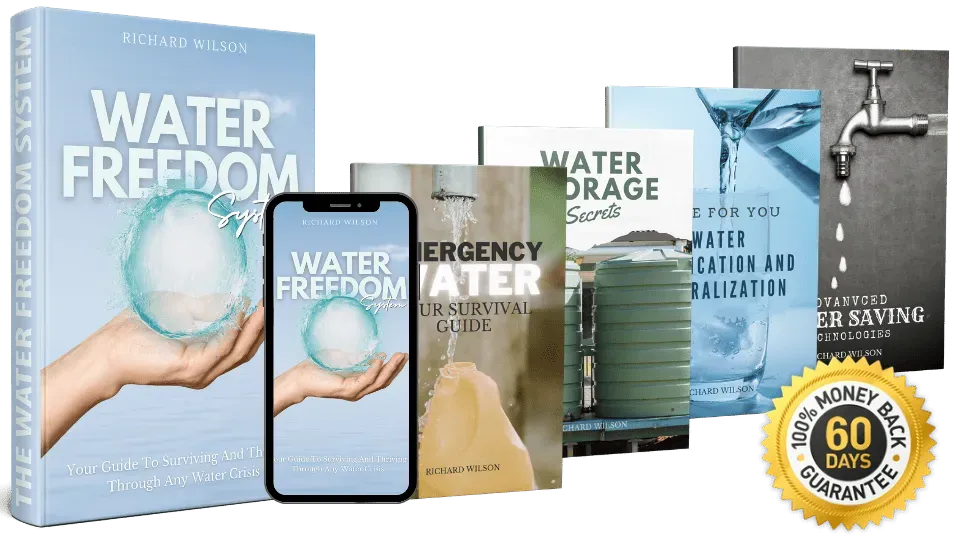
Last Updated: July 23, 2026 | Written by Water Freedom System Editorial Team | 11 Min Read

Freedom Water Filtration in the Water Freedom System — A Safety Guide

Freedom water filtration guide in Water Freedom System

Filtration at a Glance

Source WaterCondensed atmospheric moisture
Primary FiltersSediment + activated carbon
Optional TreatmentUV sterilization
Mineral ContentNaturally low; mineral drops optional
Key RiskAirborne contaminants and biofilm
CertificationNot EPA/NSF certified
MaintenanceFilter replacement + cleaning
Get the Filtration Guide

Why Is Filtration Important in the Water Freedom System?

Atmospheric water generation produces water by cooling air below its dew point. While the condensation process itself starts with clean water vapor, the collected water can pick up contaminants from the air, collection surfaces, and storage container.

Filtration is what transforms raw condensate into water that is suitable for drinking. Without proper filtration, the water may contain dust, pollen, microbes, or volatile organic compounds depending on local air quality.

The Water Freedom System guide addresses this by recommending a multi-stage filtration approach. Following these recommendations is essential for safe operation.

What Filtration Stages Does the Water Freedom System Recommend?

According to the manufacturer, the guide outlines a practical filtration chain that builders can assemble from common water filter components.

StagePurposeCommon Options
1. Sediment filterRemoves dust, pollen, and particles5-micron sediment cartridge
2. Activated carbonReduces odors, tastes, and some chemicalsCarbon block or granular carbon
3. Optional UV sterilizerKills bacteria, viruses, and protozoaUV-C LED or lamp system
4. Clean storagePrevents recontaminationFood-grade sealed container

The exact filter models and specifications should be verified in the PDF guide. Builders may need to adapt the list based on local availability and water quality goals.

Is Water From the Water Freedom System Safe to Drink?

Condensed water can be safe to drink when proper filtration, storage, and maintenance practices are followed. However, safety is not automatic. It depends on the quality of the air, the cleanliness of the unit, and the effectiveness of the filtration stages.

Safety Checklist

  • Use sediment and carbon filtration at a minimum
  • Consider UV treatment if you plan to drink the water regularly
  • Clean the collection tray and tank on a schedule
  • Use food-grade storage containers with tight seals
  • Test water quality periodically if you have concerns

Important: The Water Freedom System is an educational guide, not a certified water treatment device. If you have health concerns or live in an area with poor air quality, consult a water treatment professional.

What Affects Water Freedom System Water Quality?

Several factors influence the quality of water produced by a DIY atmospheric water generator:

Air Quality

Polluted or smoky air can introduce contaminants into the condensate.

Cleanliness

Dust, biofilm, and algae in the collection tray affect water safety.

Filter Quality

Cheap or expired filters may not remove particles and chemicals effectively.

Storage Conditions

Warm, dark tanks can encourage microbial growth if not maintained.

Addressing these factors through proper design, filtration, and maintenance is the key to consistently safe water.

Does the Water Freedom System Add Minerals to the Water?

No. The Water Freedom System does not include a mineralization stage. Condensed water is naturally very low in dissolved minerals, which can give it a flat taste compared to spring or tap water.

Some users choose to add food-safe mineral drops to improve taste. Others blend the produced water with tap or filtered water. The guide may discuss these options, but mineralization is not part of the core build.

How Do You Maintain Freedom Water Filtration?

Regular maintenance keeps the filtration system effective and the water safe. The guide likely recommends a maintenance routine similar to the following:

  • Replace sediment filters according to the manufacturer's schedule or when flow drops
  • Replace carbon filters on schedule to maintain taste and chemical reduction
  • Clean the collection tray to remove biofilm and debris
  • Sanitize the storage tank periodically with a food-safe sanitizer
  • Inspect tubing for algae growth or leaks
  • Clean or replace UV lamp if installed, based on rated lifespan

Skipping maintenance can lead to degraded water quality, even if the build itself is solid.

How Often Should You Test the Water?

If you plan to drink the water regularly, consider testing it at least once after the build is complete and periodically thereafter. Basic home water test kits can measure pH, total dissolved solids, and the presence of certain contaminants. For comprehensive testing, use a certified laboratory, especially if local air quality is a concern.

Where Can You Source Replacement Filters?

Replacement sediment and carbon cartridges are available at hardware stores, home improvement centers, and online retailers. Make sure the filter size matches your housing. UV lamps should be replaced according to the manufacturer's rated lifespan, even if they still appear to light up, because UV output degrades over time.

How Does Freedom Water Filtration Compare to Bottled Water?

Properly filtered Water Freedom System water can reduce plastic waste and avoid some of the chemicals found in bottled water. However, bottled water is produced under regulated conditions, while a DIY unit depends entirely on your build and maintenance.

FactorBottled WaterWater Freedom System
Plastic wasteHighMinimal
Recurring costHigh over timeElectricity + filters
Quality controlRegulatedDepends on builder
Emergency useLimited supplyProduces as needed
Mineral contentVaries by brandLow unless added

The Water Freedom System is best viewed as a sustainable backup source, not a direct replacement for all bottled water use.

Get the Water Freedom System Filtration Guide

Instant digital delivery — 60-day money-back guarantee

Freedom Water Filtration — FAQ

No. The Water Freedom System is an educational guide for building a DIY water generator. It is not EPA-certified or NSF-listed as a water treatment device.

Regular maintenance includes replacing sediment and carbon filters, cleaning the collection tray, sanitizing storage containers, and inspecting tubing for algae or biofilm.

Condensed water is naturally low in minerals. Some users add food-safe mineral drops for taste, but the guide itself does not include a mineralization stage.

Water quality depends on local air quality, the cleanliness of the collection tray, the effectiveness of filtration stages, and how the water is stored.

Condensed water can be safe to drink when proper filtration and storage are used. Airborne contaminants and microbial growth must be addressed through filtration and clean tanks.

The guide reportedly recommends sediment filtration, activated carbon filtration, and optional UV sterilization to treat condensed water before drinking.

Properly filtered condensation can reduce plastic waste and avoid chemicals sometimes found in bottled water. However, safety depends on consistent maintenance and local air quality.

About This Guide

Author: Water Freedom System Editorial Team

This filtration guide is based on the Water Freedom System materials, general atmospheric water generation practices, and public health guidance for DIY water systems. It is not a substitute for professional water testing or treatment advice. This page contains affiliate links. Last updated July 23, 2026.

Limited Time — Up to 50% Off!

Limited-time digital access. Bonus survival guides included.

Someone from USA just got Water Freedom System